
Selecting the Right PTFE Seal Material for Your Application
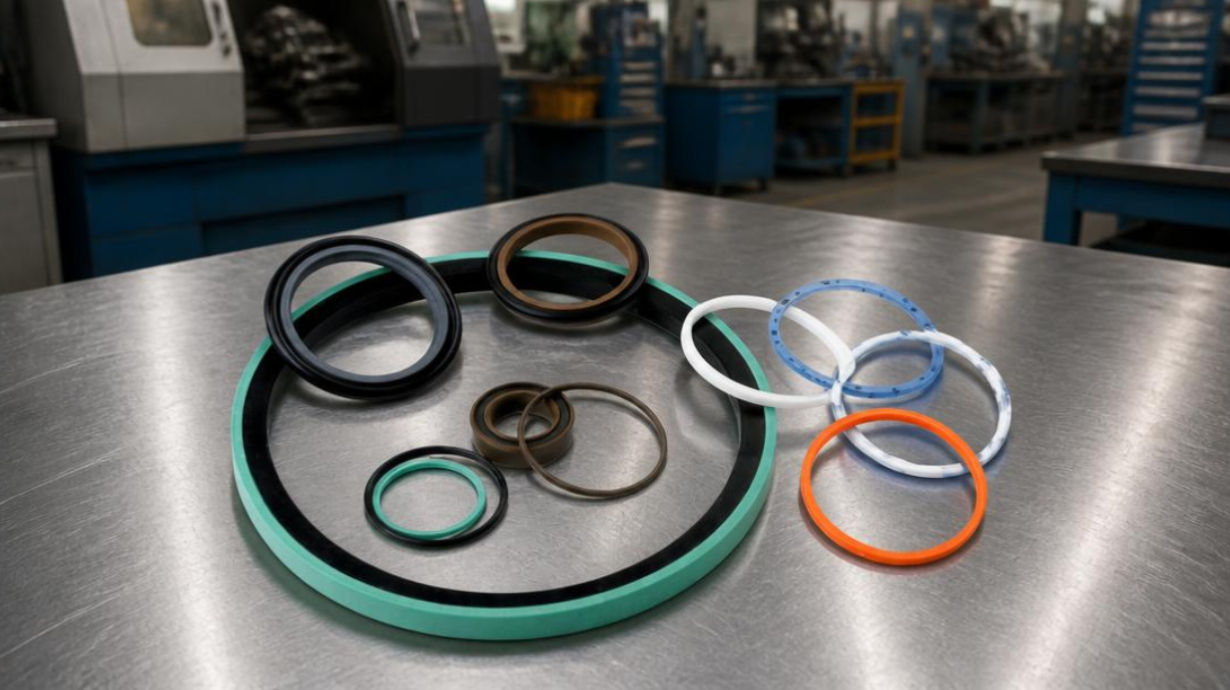
When it comes to sealing performance, selecting the right seal material can be just as important as selecting the right seal design. Pressure, temperature, chemical exposure, friction, wear, and movement can all affect how a seal performs in an application.
PTFE is a popular material for demanding sealing applications because of its low friction, chemical resistance, and broad temperature capabilities. However, not all PTFE seals are made from the same compound. Different fillers can be added to PTFE to improve specific performance characteristics. Virgin PTFE, glass-filled PTFE, carbon-filled PTFE, and bronze-filled PTFE each offer different advantages depending on the application.
Spring Energized Seals, are a popular choice for many seal scenarios and understanding these material differences can help you create a seal designed to perform under the conditions your application demands.
What Is a Spring Energized Seal?
A Spring Energized Seal combines a PTFE sealing element with a metal spring or energizer. The spring applies continuous force to the sealing lip, helping maintain contact with the mating surface as operating conditions change.
The PTFE jacket provides the primary sealing properties, while the spring helps maintain sealing force. This combination makes Spring Energized Seals well suited for applications where chemical resistance, low friction, temperature performance, or challenging operating conditions are important. Because the PTFE jacket is such an important part of the seal, selecting the right PTFE blend is a key consideration.
What Is a PTFE Blend?
PTFE, or polytetrafluoroethylene, is a thermoplastic material commonly used in sealing applications where chemical resistance, low friction, and temperature performance are important. Virgin PTFE provides many of these properties naturally. However, unfilled PTFE can have limitations in applications involving high loads, deformation, or significant wear.
To address these limitations, manufacturers add fillers to the PTFE material. These fillers can change the mechanical, thermal, and wear characteristics, allowing the material to better match specific operating conditions. The right blend ultimately depends on what the Spring Energized Seal needs to withstand.
Explore Your PTFE Compound Options
There is no single PTFE blend that is best for every application. Each material offers different performance characteristics based on factors such as load, movement, wear, chemical exposure, and dimensional stability.
Select a material below to learn more about its characteristics and when it may be the right choice for your application.
VIRGIN PTFE
Best for: Chemical resistance, low friction, and high-purity applications
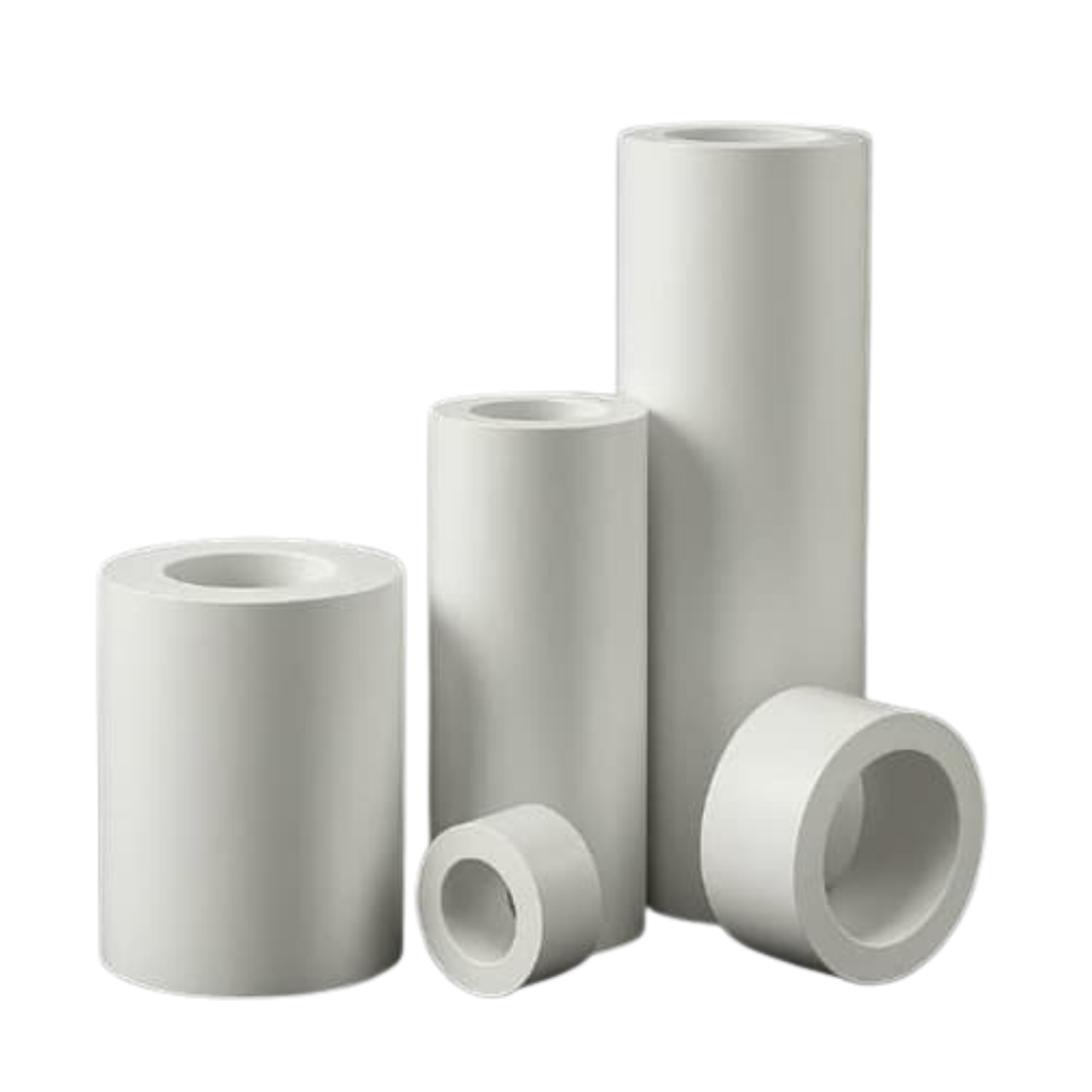
Virgin PTFE contains no fillers, allowing it to maintain many of PTFE's natural properties. It offers excellent chemical resistance, very low friction, and a broad operating temperature range.
Virgin PTFE can be a strong choice when chemical compatibility and low friction are the primary concerns, particularly in applications with limited mechanical loading or wear.
Consider Virgin PTFE when:
- Chemical compatibility is a primary concern
- Low friction is important
- High purity is required
- The application involves limited mechanical loading
- Wear resistance is not the primary requirement
Key Advantage: Excellent chemical resistance and low friction
GLASS-FILLED PTFE
Best for: Strength, dimensional stability, and resistance to deformation
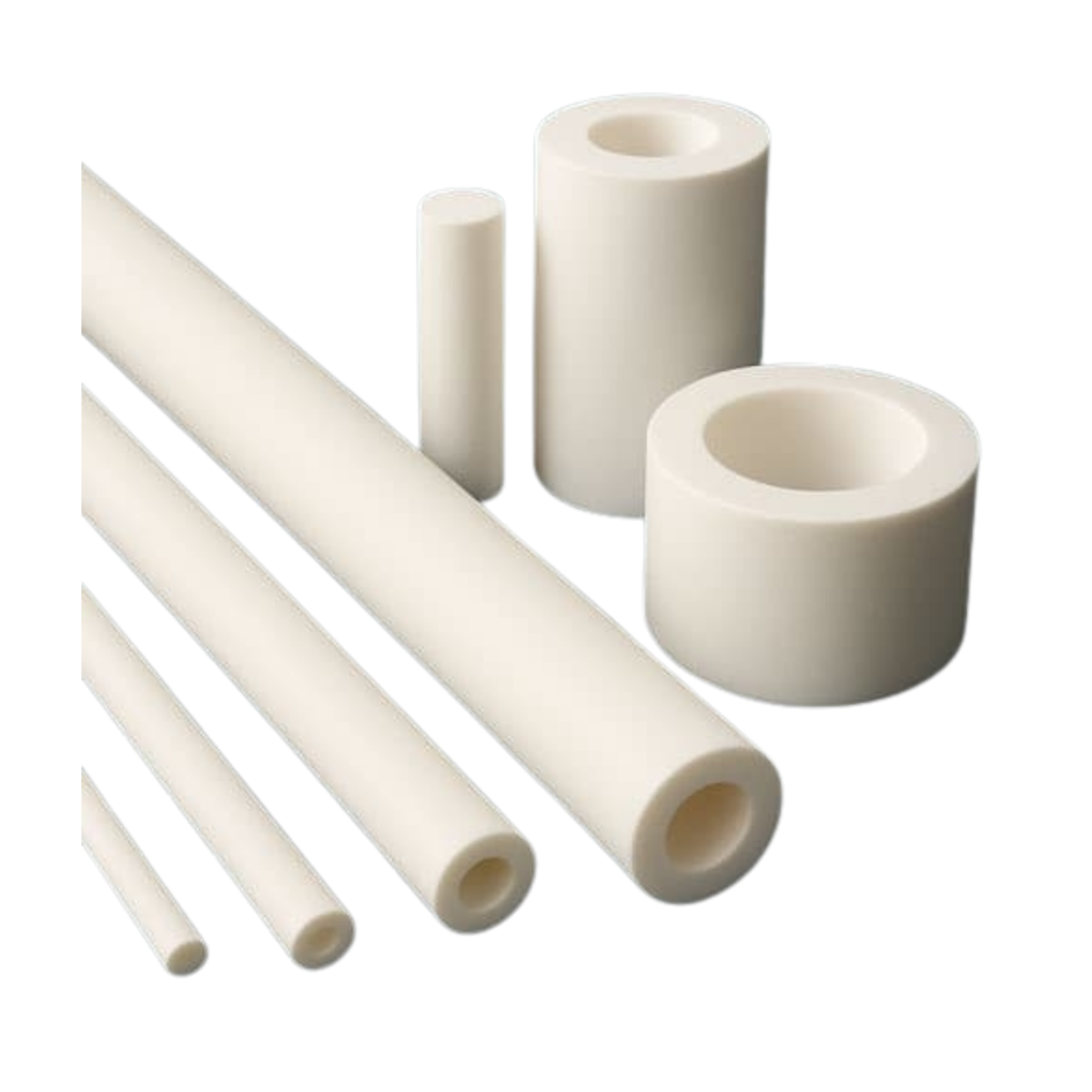
Glass-filled PTFE incorporates glass fibers into the PTFE material to improve its mechanical properties and dimensional stability.
Compared with virgin PTFE, glass-filled blends generally provide improved resistance to creep, deformation, and wear. This makes them a common choice when a seal needs to maintain its shape under pressure or sustained loading.
Consider Glass-Filled PTFE when:
- Improved mechanical strength is needed
- Resistance to creep is important
- Dimensional stability is a priority
- The application involves sustained pressure or loading
- Improved wear resistance is required
Key Advantage: Improved strength and dimensional stability
CARBON-FILLED PTFE
Best for: Wear resistance, dynamic applications, and friction management
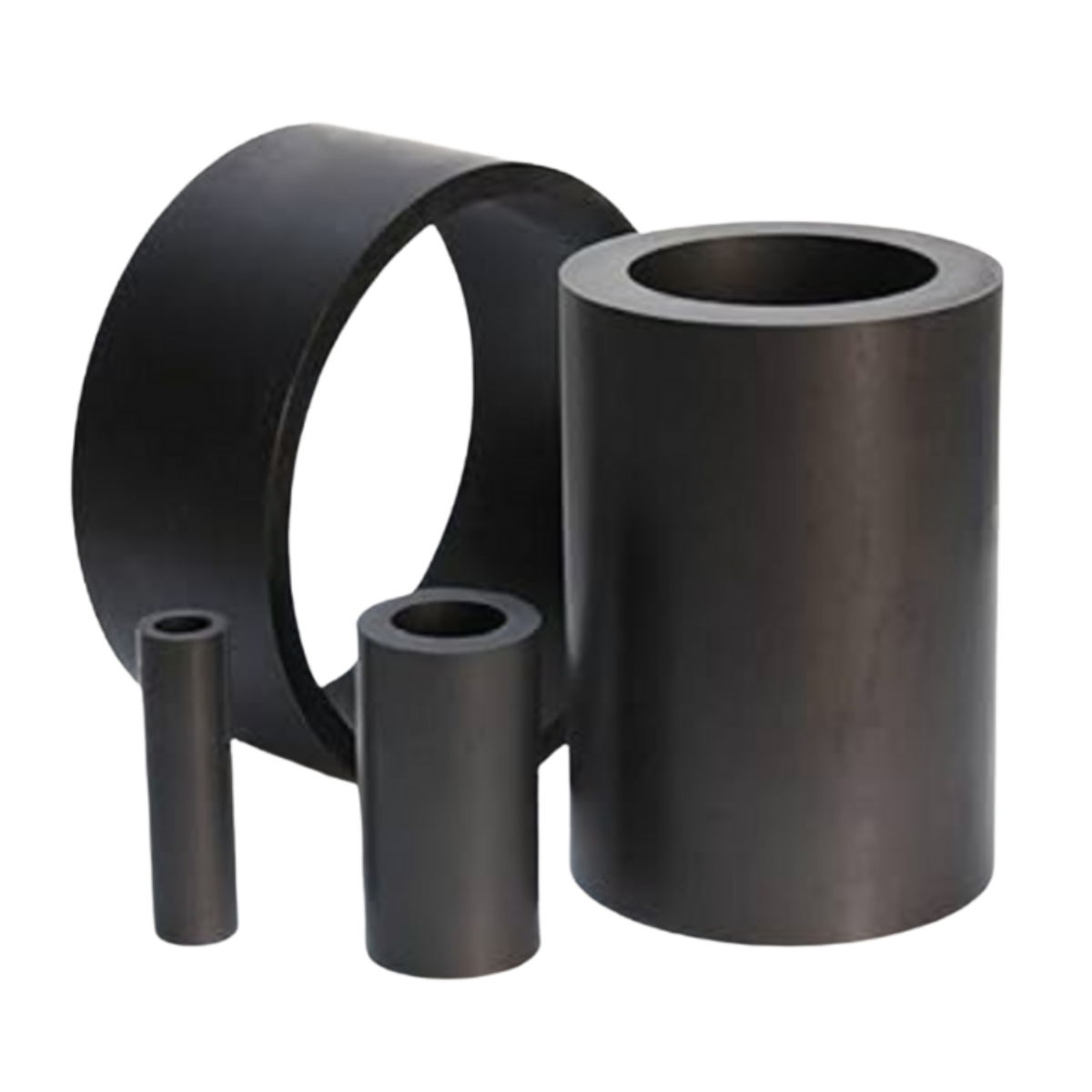
Carbon-filled PTFE uses carbon as a filler to improve characteristics such as wear resistance, dimensional stability, and thermal performance.
These properties can make carbon-filled PTFE a strong option for dynamic sealing applications where the seal experiences repeated movement. Improved wear resistance can help extend seal life in applications where friction and motion are constant concerns.
Consider Carbon-Filled PTFE when:
- Wear resistance is a major concern
- The seal experiences repeated movement
- Friction and heat generation need to be managed
- Improved dimensional stability is required
- The application involves demanding dynamic conditions
Key Advantage: Enhanced wear resistance for demanding applications
BRONZE-FILLED PTFE
Best for: High loads, mechanical strength, and demanding applications
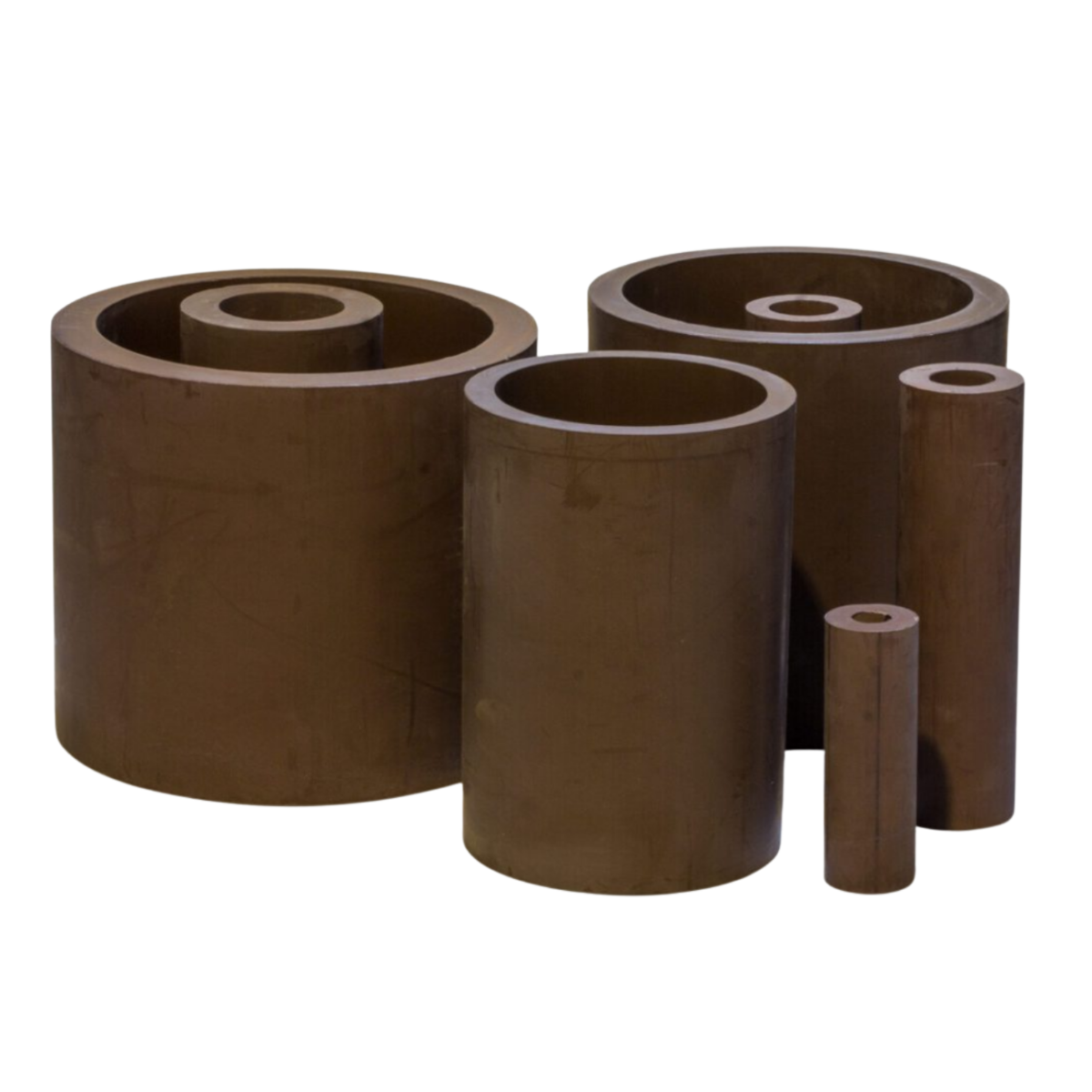
Bronze-filled PTFE incorporates bronze into the PTFE compound to improve mechanical strength, load-bearing capability, and wear resistance.
This combination can make bronze-filled PTFE well suited for demanding applications where the seal is exposed to higher mechanical loads, pressure, or repeated movement. Bronze-filled blends also offer improved thermal conductivity compared with virgin PTFE.
Consider Bronze-Filled PTFE when:
- High load-bearing capability is required
- Wear resistance is important
- The application involves demanding mechanical conditions
- Improved thermal conductivity is beneficial
- Greater mechanical strength is needed
Key Advantage: Increased load-bearing capability and mechanical strength
How Do You Choose the Right PTFE Blend?
Selecting a PTFE blend starts with understanding the conditions the seal will encounter during operation. The material that works well in one application may not be the best choice for another.
Pressure: How much pressure will the seal experience?
Higher-pressure applications may require a blend with improved resistance to deformation and extrusion. Filled PTFE materials can provide greater mechanical stability than virgin PTFE in demanding conditions.
Temperature: What temperatures will the seal experience?
Both the operating temperature and potential temperature spikes should be considered. The selected blend must maintain its performance throughout the application's temperature range.
Chemical Compatibility: What media will the seal contact?
PTFE is known for its excellent chemical resistance, but the addition of fillers can affect the overall chemical compatibility of the blend. The process media should be evaluated before selecting a filled PTFE material.
Movement: Is the seal static, reciprocating, or rotating?
A seal exposed to continuous or repeated movement may require greater wear resistance than a primarily static application. Dynamic applications can benefit from PTFE blends designed to improve wear and friction performance.
Friction and Wear: How much friction will the application generate?
Applications involving continuous movement can place additional demands on the sealing material. Selecting a blend with appropriate wear and friction characteristics can help improve seal life and overall equipment performance.
Mating Surface: What material and surface finish will the seal run against?
The sealing material and mating surface work together. Certain fillers may be more abrasive against softer materials, making surface compatibility an important part of the selection process. Controlling the surface finish is generally required for optimal seal performance.
The Right PTFE Blend Starts With the Application
Choosing a PTFE blend isn't simply about selecting the strongest or most wear-resistant material. The best compound is the one that matches the conditions of the application.
Virgin PTFE may be the right choice when chemical resistance and low friction are the priority. Glass-filled PTFE can provide improved dimensional stability and mechanical performance. Carbon-filled PTFE can offer advantages in demanding dynamic applications, while bronze-filled PTFE can provide increased strength and load-bearing capability. With multiple factors influencing seal performance and hundreds of filler materials and combinations available, material selection can become complicated quickly.
That's where working with a sealing specialist can make a difference.
Find the Right Sealing Solution With Triad Technologies
At Triad Technologies, we understand that sealing requirements vary from application to application. Our team offers a range of sealing solutions in different styles, sizes, and materials, along with engineering expertise to help customers develop solutions around their specific application requirements.
Whether you're dealing with pressure, temperature, harsh chemicals, dynamic movement, or demanding wear conditions, selecting the right material is an important step toward improving seal performance and reliability.
Need help selecting the right PTFE seal for your application? Contact Triad Technologies to work with a sealing specialist.
Short Code:
Credit Limit:
Current Balance:
